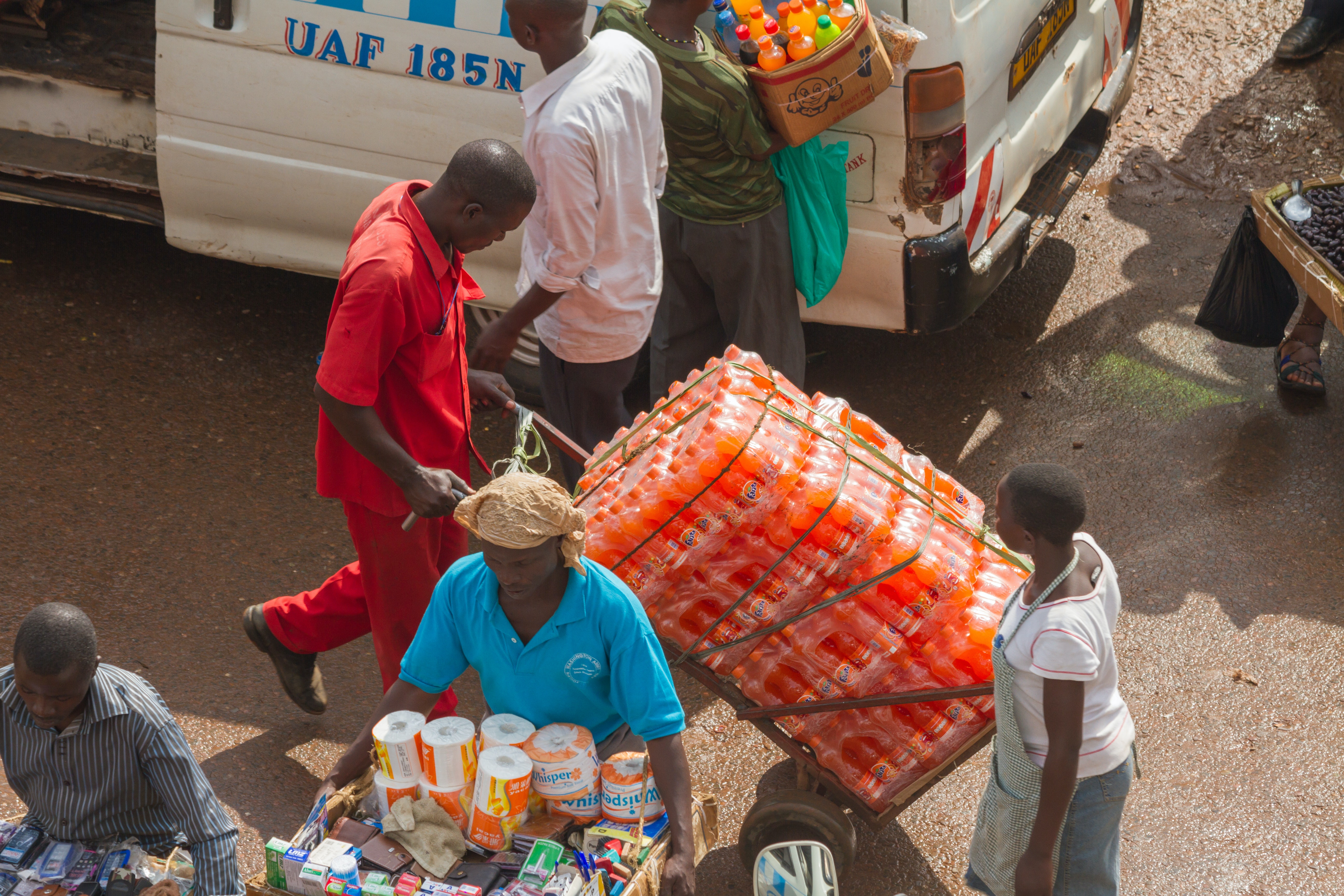
Preventing diet-related noncommunicable diseases in sub-Saharan Africa and decreasing the burden on fragile healthcare systems is an urgent priority for governments. This urgency is exacerbated by the COVID-19 pandemic. Individuals with noncommunicable diseases are bearing the brunt of COVID-19-related morbidity and mortality.
African countries face a growing burden of noncommunicable diseases. These are expected to be the leading cause of death in sub-Saharan Africa over the next 10 years, overtaking communicable diseases such as HIV and tuberculosis.
The increasing rates of obesity and overweight are major risk factors for noncommunicable diseases. Adopting evidence-based policies that seek to reduce consumption of unhealthy foods – like sugary beverages or ultra-processed foods – can help governments reduce the risk of these conditions. The World Health Organisation has endorsed a number of measures. These include restricting marketing of unhealthy foods to children, introducing simple nutrition labels and implementing taxes on sugary beverages.
More states around the world are adopting these kinds of policies. Over 73 countries had adopted a tax on sugary beverages by 2020. Botswana and South Africa are among them.
Yet, there is a dearth of data and policies to support action on noncommunicable diseases in most of sub-Saharan Africa.
New research is being published on a regular basis showing that taxation of sugary beverages is an effective intervention to reduce consumption of unhealthy products. Sugar-sweetened beverage taxes have also been found to be cost-effective to implement. And they can be used to generate revenue for health-promoting activities.
In 2016 South Africa became the first country in sub-Saharan Africa to announce the adoption of a tax on sugary beverages. A modelling study was done by the South African Medical Research Council Centre for Health Economics and Decision Science. Known as PRICELESS SA, our research unit provided the evidence to support this decision. South Africa successfully implemented the health promotion levy in 2018, a tax of 11% on sugary beverages.
In 2017, seeking to draw on South Africa’s experience and the lessons learned, we launched an ambitious multi-country study. We wanted to assess the readiness to adopt a sugary tax for noncommunicable disease prevention in sub-Saharan Africa. The study took place in seven countries: Botswana, Kenya, Namibia, Rwanda, Tanzania, Uganda and Zambia. In many cases it was the first research in particular countries on sugary beverage taxation or even noncommunicable disease policy.
After three years of intensive work, the research has culminated in the publication of a special issue of the journal Global Health Action. It showcases some of the challenges and opportunities policymakers may encounter in adopting a sugar-sweetened beverage tax.
The main findings show that implementing a sugar-sweetened beverage tax is possible in all seven countries. Critically, for researchers, it will also require an evidence base that can be used to create political will and to engage with civil society to support the adoption of a tax.
Gathering the evidence
The project involved over 12 researchers from nine countries. They set about mapping the noncommunicable disease policy environment in each of the seven countries where the studies were done.
They untangled complex networks of stakeholders and decision makers and clarified the existing evidence base to support action on noncommunicable diseases in their country.
The study suggests that noncommunicable disease prevention is a key priority in all the countries. What’s encouraging is that they have a lot of backing from international organisations. For example, the United Nations has issued a high-level mandate for action on noncommunicable diseases. For its part the World Health Organisation endorsed taxes on sweetened drinks. In addition, a host of countries such as Mexico and South Africa have introduced taxes and seen reductions in consumption of sugary beverages.
The aim of the levy introduced by South Africa was to prevent obesity by reducing sugar consumption. The process of adopting the tax was complicated. There were concerns about job losses. In addition, the tax faced vigorous opposition from the sugar producing and sugary beverage industries.
However, there was significant support from civil society actors. Three years after the implementation of the health promotion levy, evidence shows the clear impact the tax has had on consumption.
Read more: New research shows South Africa’s levy on sugar-sweetened drinks is having an impact
Next steps
In sub-Saharan Africa, the competing interests of economic growth and public health are not well managed. The research that’s been done shows that contradictory policies have been adopted. For example, some countries have introduced policies that promote the growth of the sugar and sugary beverage industries.
Nevertheless, the evidence gathered also shows that countries like Rwanda and Zambia have begun adjusting policies to remove economic incentives for these industries and instead to promote other, healthier products.
This demonstrates that, with sufficient political will, public health can be compatible with economic growth.


