We tracked Soweto mothers-to-be to find out more about diet and obesity patterns:
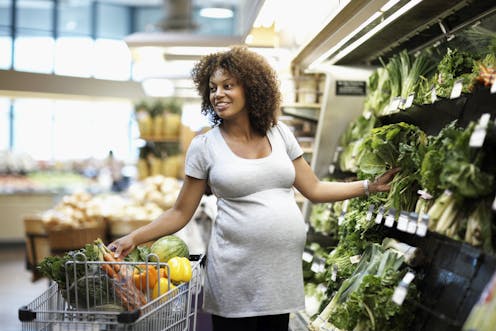
Pregnancy has been described as a “teachable moment” for promoting healthy lifestyle choices. This is because pregnant women are highly motivated to make behavioural changes. Whether the change involves taking a prescribed medication or supplement, or giving up a risky behaviour such as smoking, pregnant women are more committed because they feel a responsibility towards the health and well-being of their unborn child.
Such positive lifestyle changes will always be beneficial. But, for women who fall pregnant with conditions such as obesity, they may come too late. This is important because the nutrition environment experienced by fetuses during pregnancy can affect their growth and development in early life. This, in turn, affects their risk of developing obesity, diabetes and cardiovascular disease as they age.
Obese women, or those with gestational diabetes (glucose intolerance beginning or first recognised during pregnancy), are more likely to give birth to larger babies (over 4kg) with greater adiposity (or body “fatness”). This puts moms at higher risk of delivery complications, such as requiring a caesarean birth. It also increases the chances of their children becoming obese. In turn, obese children are five times more likely to grow into obese adults and thus, more likely to develop diabetes and cardiovascular disease.
What has been less understood so far is how diet during pregnancy influences growth in the womb, particularly in communities where obesity rates are high as is the case in South Africa.
We conducted a study of women from Soweto three years ago in which we recorded their dietary patterns during pregnancy. We explored whether these were related to the amount of weight that they gained, as well as their newborns’ birthweight and their levels of body fat.
We found that there were positive effects of an improved diet during pregnancy. But we also found that these benefits were most obvious in women whose weight was normal at the start of their pregnancies.
This suggests that improvements made to the diets of overweight and obese women once they are pregnant may have a limited impact on their health – and that of their babies.
Getting an early start
Two thirds of women in South Africa are overweight or obese. One in four adults die prematurely (before the age of 70) from cardiovascular disease, diabetes, cancer or chronic respiratory disease.
Among women living in Soweto, one in ten will be diagnosed with gestational diabetes during pregnancy. Half of them will go on to develop diabetes within the following 10 years.
This explosion of obesity and related chronic diseases has been linked to rapid lifestyle changes as a result of urbanisation, including a transition towards more processed diets high in sugar, saturated fat, salt, cooking oils and convenience foods.
Often poor dietary behaviours are adopted during the teenage years – long before girls and young women have considered the idea of becoming mothers. The impact of unhealthy lifestyles, poor-quality diets and excess body weight on chronic disease burdens has been explored exhaustively. But the implications for future mothers and the next generation of South Africans has not received the same attention.
In our study we found that women who were accustomed to a more “westernised” diet gained more weight during pregnancy. This is a diet high in refined carbohydrates such as white bread, processed and red meat, sweets and chocolate and sugar-sweetened soft drinks. So did women whose diets were particularly high in added sugar.
High weight gain increases the risk of giving birth to a large baby. It’s also a risk factor for pregnancy complications such as developing high blood pressure and pre-eclampsia and giving birth by caesarean section. Overweight and obese women are particularly vulnerable to gaining excessive amounts of weight during pregnancy, as the recommended range for healthy weight gain is lower than it is for women who conceive at a healthy weight.
On the other hand, women who ate higher amounts of whole grains, legumes, vegetables and unprocessed meat gained less weight during pregnancy and were more likely to gain weight within the healthy range. Their babies also tended to have lower birthweights and less body fat at birth.
These quantifiable differences indicate that a healthy diet during pregnancy really does have beneficial effects on the health of the mother and the newborn, as well as on the newborn’s risk of developing disease later in life.
But, to make a real impact on the health and well-being of the next generation, it is critical that food and health systems focus on empowering teenage girls and young women to make healthier choices and to improve their diets long before they become pregnant.

Stephanie Wrottesley receives funding from the DSI/NRF Centre of Excellence in Human Development at the University of the Witwatersrand and the University of the Witwatersrand's Research Office under the School of Clinical Medicine.
Source: The Conversation – Articles (AFRICA)
Read more on The Conversation.
Join the fun: Add Your event | Submit a Press Release | Add your listing.


