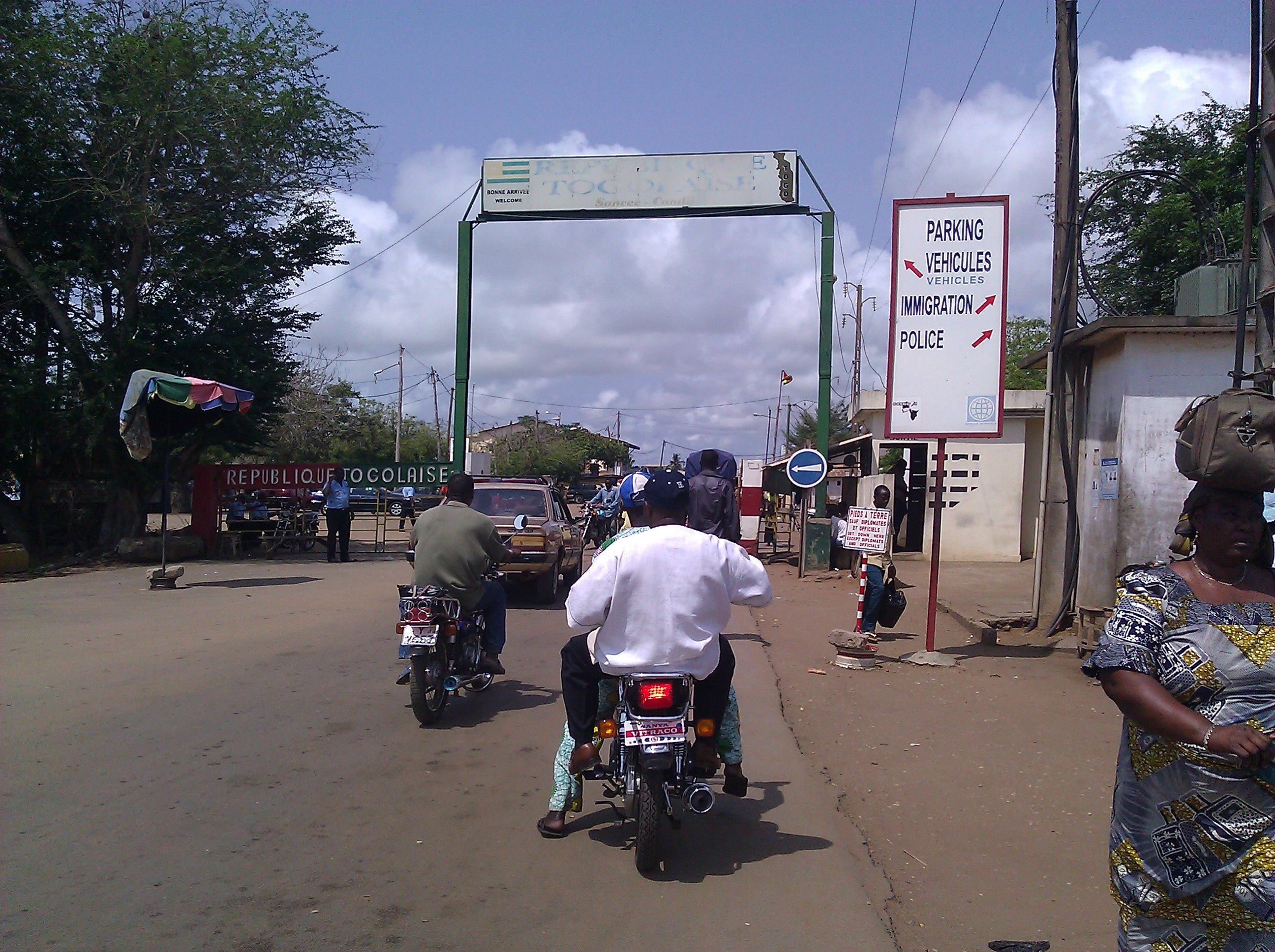
European and African states have been working together closely on migration since the early 2000s. The cooperation aims to “harden” West African borders – tighten them to deter mobility. The EU’s interests in this cooperation are clear. It wants to prevent migration to Europe by stopping it where it starts.
As a result, a security focus is evident in West African regional policy agendas. It is also evident in cooperation initiatives to build border infrastructure are numerous.
African states themselves have sent clear signals that they are willing – even enthusiastic – to work with international donors in border management. This includes actively proposing projects and sourcing funds.
Yet this “hard border” project takes place in a region where migration as a practice has a long history and is also an accepted part of modern life. The regional integration agenda under the Economic Community of West African States (ECOWAS) is widely considered the most developed on the continent. It aims to promote the economic, social and cultural integration of its member states. Freedom of mobility in the ECOWAS region is central to this agenda, though it has long been hampered by challenges such as harassment at borders and corruption.
Scholars have raised concerns that a security focus will undermine efforts to address these implementation challenges, and to improve mobility and integration in the region.
My research in Senegal and Ghana seeks to understand this apparent contradiction. Why do West African states cooperate with the EU and international donors in ways that could undermine regional integration?
By analysing the domestic policy context in these countries, my research shows that governments benefit from security cooperation. They get access to funds that can help modernise bureaucratic systems and strengthen the administrative capacity of government ministries.
But there is a risk that policies that focus on who “belongs” within a border will become legitimised through security cooperation with international donors. This could make ECOWAS migrants’ situations more precarious. They might for instance be unable to access the social services in other West African countries that they are entitled to.
Regional integration history
Rigid borders and mass deportations were popular migration policies of newly independent African states in the 1960s and 1970s. At the time, African states were grappling with several economic crises. Migrants often were scapegoated and many were expelled. For example, citizens of Nigeria, Togo and Benin were deported from Ghana in the late 1960s.
Thanks to the 1979 protocol on free movement of persons, restrictions and mass deportations have become uncommon. The protocol confers the right to enter and live in the territory of any member state, if you have a valid travel document and international health certificate.
But the agenda of the EU has the effect of making borders less permeable.
International donors fund security in West African states in the form of military assistance, technical equipment and financial support.
For example, EU funds assist the Senegalese authorities with their civil registration system reform. This helps the Senegalese state to address important domestic governance challenges such as document fraud.
Both the Senegalese and Ghanaian administrations have also expressed a strong interest in having more data available on migration to aid planning. At the moment, much of the data that is available on migration is provided by international organisations. These include the International Organisation for Migration.
This reliance on an outside organisation for statistics to inform government policy is perceived negatively by domestic actors such as governments and civil society organisations.
The West African protocol
As African states increase their participation in this form of migration governance, there is a clear risk of overshadowing the West African protocol on the freedom of movement.
Read more: Closing borders with its neighbours isn’t the answer. Nigeria can do better
However it is also clear that there is a lack of political will to fully implement it. There are, for instance, concerns among member states about the economic impact of full implementation. There are large economic and labour market disparities between member countries. This produces concerns about large influxes of immigrants from the region – such as the ongoing influx of Nigerian immigrants to Ghana.
Civil society advocacy
The expansion of security cooperation has not gone unnoticed. My research shows there has been domestic criticism of expanded security cooperation in Senegal and Ghana. Civil society organisations have tried to counter the “hard border” project, although with limited success.
Civil society organisations report it’s difficult to get access to national policymakers. The Senegalese and Ghanaian governments selectively include these organisations in policy spheres. Organisations are also constrained in their activities by limited human and financial resources. This affects the extent of data collection and research they can undertake on any issue.
African governments have shown that they can use international concerns over the Sahel’s porous borders to their advantage. Security cooperation continues to expand, and forms an important component of EU-African cooperation on migration. African states and their development partners must ensure that regional integration efforts are not eroded as a result.


