What can be done to improve treatment for PTSD after a loss:
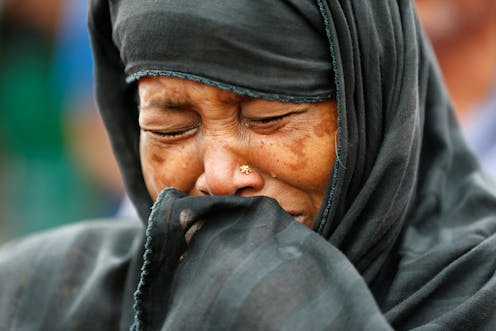
The unexpected death of a loved one can cause severe distress to relatives. It can lead to mental complications including post traumatic stress disorder (PTSD).
A world mental health survey shows that about 5.2% of people who lose loved ones suffer from PTSD. But how do you know who suffers from PTSD after a traumatic loss so that you can give them the care they need?
Unfortunately, in Africa most people go undiagnosed. This is because only two countries on the continent have carried out national surveys on mental health – South Africa and Nigeria. Concerning trauma and PTSD, the only significant data emanated from the South African Survey, since the Nigerian one did not have a high enough prevalence rate to enable detailed analysis.
The recent global survey identified a number of predictors that significantly increase the risk of PTSD after a loss. These include: whether the deceased is either a spouse or child, being female, believing that one could have done something to prevent the death, prior exposure to a traumatic event and having a previous mental disorder before the trauma.
Using these predictors it was possible to construct a model that can be used to determine those with the highest risk of developing PTSD after the unexpected death of a loved one. This model makes it feasible for clinicians helping people who have suddenly lost loved ones to develop interventions that are evidence-based and with high probability of success. This should provide opportunities for affected people being able to be provided with the appropriate care after this traumatic event.
PTSD and death
PTSD happens after a person is exposed to an event that poses a threat to their life. It is a group of symptoms that include re-experiencing the event, changes in emotions and cognitive functions. Irritability, reckless or self-destructive behaviour, sleep problems and low concentration are common.
Families and caregivers can recognise PTSD in a loved one because the symptoms are a change from their usual behaviour. These signs and symptoms begin within a month of experiencing the traumatic event like the unexpected death of a loved one.
The person may experience nightmares or flashbacks, will avoid distressing memories, thoughts, or feelings associated with the traumatic event.
Due to the trauma, the person may also develop memory problems and feelings of detachment from friends, colleagues and family are common. The person may also display exaggerated negative beliefs about themselves, others or the world. In some cases, depression and drug abuse is noted.
People who have unexpectedly lost a loved one are at a higher risk of getting PTSD so they should be identified early enough and appropriately counselled.
The high prevalence and meaningful risk of PTSD makes the unexpected death of a loved one a major public health issue. Due to a collaborative initiative under the World Health Organisation (the World Mental Health Surveys Initiative) it is now possible to predict the occurrence of PTSD after a traumatic event such as the unexpected death of a loved one.
The resulting screening assessments will be useful in identifying high risk individuals prone to PTSD for early interventions.
Data deficit
Raising relevant data is one of the biggest challenges to tackling the issue of PTSD in Africa.
African countries should carry out national mental health surveys because they provide information that can be used for planning care and rationally allocating resources in mental health. They also provide information necessary in policy formulation and mental health interventions.
Without a national survey, countries often misallocate resources, ending up with situations in which they neglect the most important problems and intervene disproportionately in low priority areas. This is responsible for the current situation in which what is probably a silent mental ill-health epidemic which is sweeping across the continent.

Lukoye Atwoli receives funding from the National Institutes of Health (US), and the Broad Institute of MIT and Harvard.
Source: The Conversation – Articles (AFRICA)
Read more on The Conversation.
Join the fun: Add Your event | Submit a Press Release | Add your listing.


