What gives Nigerian students the confidence to use condoms:
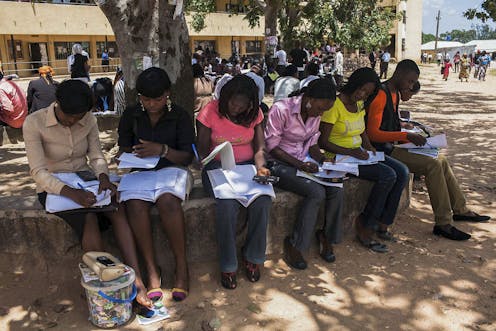
Condom use is the focus of various sexual health promotions among adolescents and young adults in Nigeria and other sub-Saharan African countries. Yet a significant proportion of young people still engage in unprotected sex. They are therefore at risk of unplanned pregnancies and sexually transmitted diseases, including HIV. The rate of all these outcomes is high in sub-Saharan Africa.
And despite the promotion of condoms, there is not much research on what influences young people’s confidence to purchase or use condoms. Not much is known about the role of social and demographic factors, as well as behavioural and parental factors, in this decision.
Our study contributes to knowledge about the sexual behaviour and health of young adults in sub-Saharan Africa by evaluating Nigerian university students’ confidence about using condoms.
The research
We interviewed 755 students in two Nigerian universities to identify the factors that are associated with young students’ confidence to buy and use condoms. Over 70% were between 20 and 34 years of age. Over 80% were sexually experienced and 78% rated religion as being vital in their lives. More than half of the students also reported that they had never discussed sexual health topics with their father (84%) or mother (53%).
The students were asked to rate their level of confidence on 11 questions. These included:
-
their ability to put a condom on themselves or their partner
-
their ability to remove or dispose of a condom after sexual intercourse
In addition, the students were asked if they had ever had sex and how vital religious activity was to them. They also answered demographic questions about their age, sex and the receipt of support from their family.
The findings
Our analysis shows sexually experienced students were most likely to feel confident in their ability to use or purchase condoms. This finding confirms our assertion that self-belief is developed through personal experience. But there were also important roles for demographic and social factors, such as age, sex and parental factors.
As expected, age had a large association with confidence. We expected that students’ confidence in their ability to use condoms would increase as they got older, based on personal learning. We observed that older students were more likely to be sexually experienced.
Consistent with a prior study of 2,399 young Nigerians, our study suggests that higher levels of religiosity are associated with lower likelihood of engaging in premarital sexual activity. Another study among undergraduate students in a Nigerian university observed that religion was the most salient predictor of attitudes towards premarital sexual activity. But the students who rated religion to be essential were less confident about buying and using condoms.
We also found that strong parental support makes students more likely to use or purchase condoms. These students are also more likely to communicate more with their partners about condom use. Parental support could persuade young adults to avoid unplanned pregnancy and equip themselves with condom negotiation skills.
Moving forward
Our study lends support to a need for targeted intervention to encourage condom use among the most at-risk group, particularly those who are sexually inexperienced. Since sexually inexperienced students are less likely to be confident in their ability to use condoms, the finding also implies that young adults probably only become confident after their first sexual experience. This increases the risk that they will be exposed to sexually transmitted infections or unwanted pregnancies.
Perhaps recognising that almost all young adults are going to have sex at some point could reinforce the need for such targeted efforts. The goal is that when they do, it is by their own choice and that they have the means, the know-how and the ability to negotiate safe sex.
Giving young people comprehensive information on sexual and reproductive health is known to boost their confidence in their ability to use condoms both in Nigeria and in other contexts. It could also protect them from misinformation from friends or peers.

The authors do not work for, consult, own shares in or receive funding from any company or organisation that would benefit from this article, and have disclosed no relevant affiliations beyond their academic appointment.
Source: The Conversation – Articles (AFRICA)
Read more on The Conversation.
Join the fun: Add Your event | Submit a Press Release | Add your listing.


