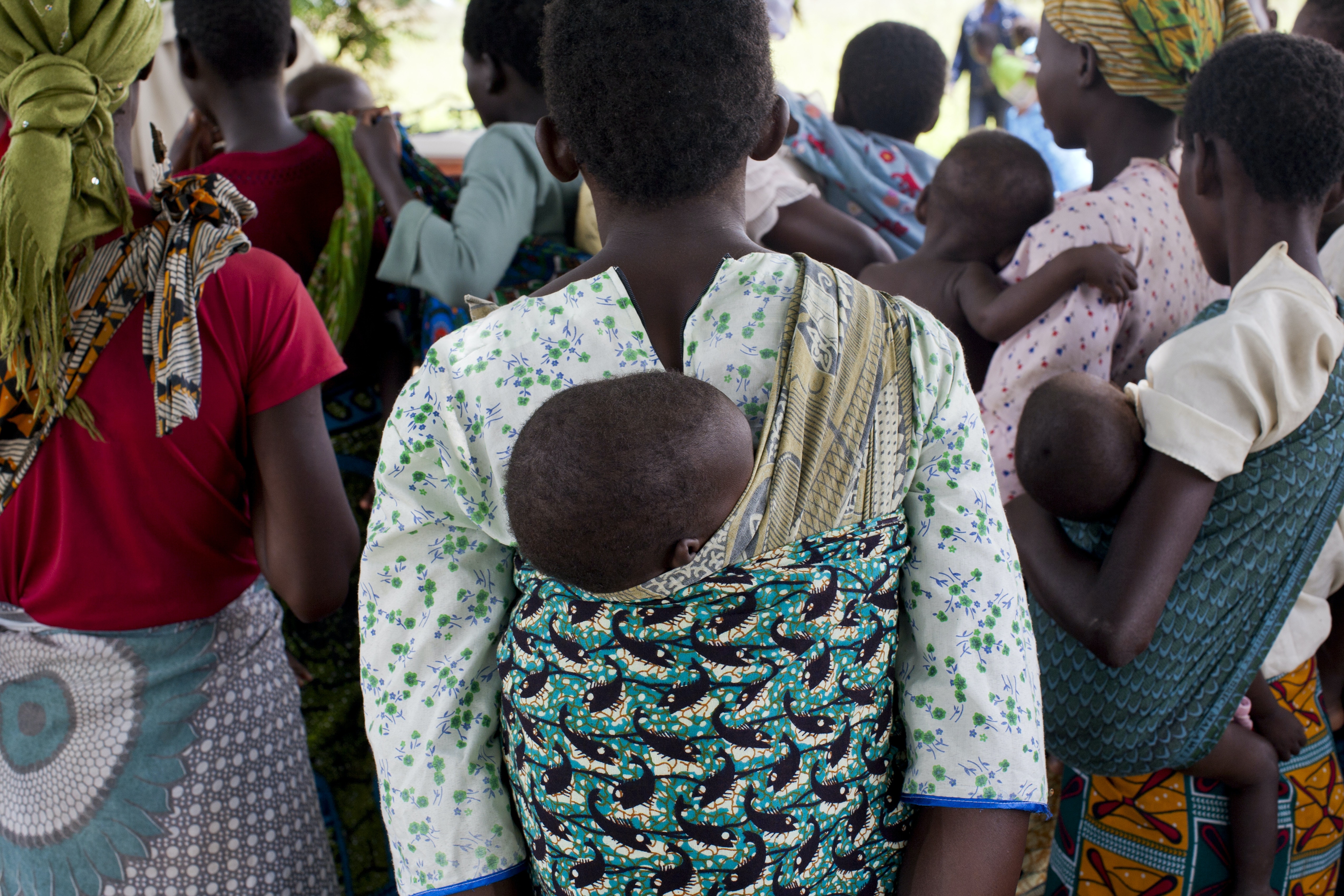
In Malawi, about 2% of childless women experience infertility – difficulty conceiving or carrying a pregnancy to term. Another 10.5% experience infertility after the birth of at least one child.
Both men and women can be infertile, but the responsibility for infertility and childbearing often falls more heavily on women. Those who aren’t able to reproduce can face stigmatisation, mental distress, marital instability, and even exposure to domestic violence.
Childbearing remains an important and expected part of married adult life in a country where the total fertility rate – the average number of children expected per woman over a lifetime – is around 4.12.
The World Health Organisation says reproductive health includes the ability to decide if, when and how often to reproduce. Infertility, however, limits this ability.
Despite the substantial negative impacts of infertility on health and well-being, it’s a neglected public health issue throughout much of the Global South, including Malawi.
To understand women’s own perceptions of their ability to become pregnant, and carry a pregnancy to term, I analysed survey data collected in 2010 for Malawian women aged between 16 and 26 living within 7km of Balaka township in the country’s southern region.
The survey remains a rare and valuable source because it asked for women’s own perceptions of their ability to conceive and carry a pregnancy. There is little reason to expect that the incidence of perceived fertility impairments has changed dramatically in the last decade.
Women in the study were asked questions about their health and social lives. I focused on data relating to perceived fertility impairments for the 915 women in the survey who had ever tried to conceive. Among the 117 women who reported fertility impairments, I also looked at what they did to seek help.
I found that a large minority of women reported fertility impairments. Most sought some kind of help for their fertility impairments. Some looked for help from multiple sources.
These findings highlight the need to reduce stigma and scale up public health support for infertility.
Perceived fertility impairments
Some existing large-scale studies of infertility in the Global South use survey data. They often measure infertility by examining whether sexually active women who are not using contraceptives have children within in a given timeframe. This ‘objective’ measurement is useful for estimating the prevalence of infertility.
However, it is sometimes poorly aligned with women’s own perceptions of their ability to conceive and carry a pregnancy to term.
Women’s views of their own bodies are worth investigating, and people act based on their perceptions. That is why, in this study, I looked instead at women’s own reports of whether they had ever experienced a fertility impairment. Women were asked whether they had ever experienced difficulties conceiving a pregnancy or difficulties carrying a pregnancy to term.
I found that 117 women (12.8% of the sample) reported experiencing at least one fertility impairment. Breaking this figure down, 7.4% of women reported difficulties conceiving and 7.3% reported difficulties carrying a pregnancy to term. (These add up to more than 12.8% because 15 women experienced both kinds of impairment.)
Next, I wanted to understand who was most at risk. Older women were more likely to report a fertility impairment. This is a young sample and biologically, infertility increases with age. Nonetheless, some women as young as 16 reported fertility impairments. This could reflect in part the significant social pressure women are under to conceive early.
Seeking help
I also wanted to understand what actions women take to seek help. Based on what was asked in the survey, I considered five kinds of help-seeking: visiting a hospital or clinic; visiting a traditional healer; visiting a church or mosque, or praying; finding a new partner; and starting a secret sexual partnership outside one’s relationship to try to conceive.
Most women (85.5%) who reported a fertility impairment sought help. More than a quarter (27.4%) used multiple strategies. However, none of the women who reported a fertility impairment said they found a new partner or started a secret relationship to conceive.
Going to a hospital or clinic was the most common way of seeking help. Almost one-third (29.9%) chose this option only. Visiting a traditional healer only was the choice of 22.2%, and 5.9% looked for religious help only. The remainder of women used multiple strategies. Just 4.3% tried all three options.
Importantly, women with different kinds of fertility impairments used different help-seeking strategies. Over one-fifth (22.6%) who reported difficulties conceiving did not take any action. Only around one-tenth (10.2%) who reported difficulties carrying to term did not take action. Everyone who reported both difficulties sought some form of help, and these women were more likely to use multiple strategies.
Women reporting difficulties conceiving more commonly visited a traditional healer. Visiting a hospital was most common for difficulties carrying to term. These differences could, in part, reflect the urgency of addressing some impairments. Some pregnancy complications require immediate medical care, which may prompt urgent care at a hospital. Difficulties conceiving are less likely to require emergency medical care.
What now?
The study shows that it’s important to consider women’s perceptions of their own bodies, and to recognise that even young women may report fertility impairments. Also, studies which focus on hospitals and clinics may miss experiences that occur outside these spaces. Less privileged women may be especially likely to be left out of these spaces.
It is quite possible that help-seeking strategies may have changed, both in terms of overall uptake and specific combinations of help-seeking.
It is not clear yet whether or how the COVID-19 pandemic is affecting the availability and accessibility of different help-seeking options. This is why it’s vital to continue monitoring infertility as a pressing public health issue, taking women’s own views into account.
Many family planning programmes throughout sub-Saharan Africa do not offer infertility services. If the aim is indeed to help women plan their families, rather than just reduce fertility and prevent unwanted pregnancy, then infertility support (such as screening and treatment) should be part of existing programmes.


