Most of the confirmed COVID-19 cases around the world are in cities, making the pandemic a challenge of urban governance – the planning, financing and management of urban areas – not just one of public health.
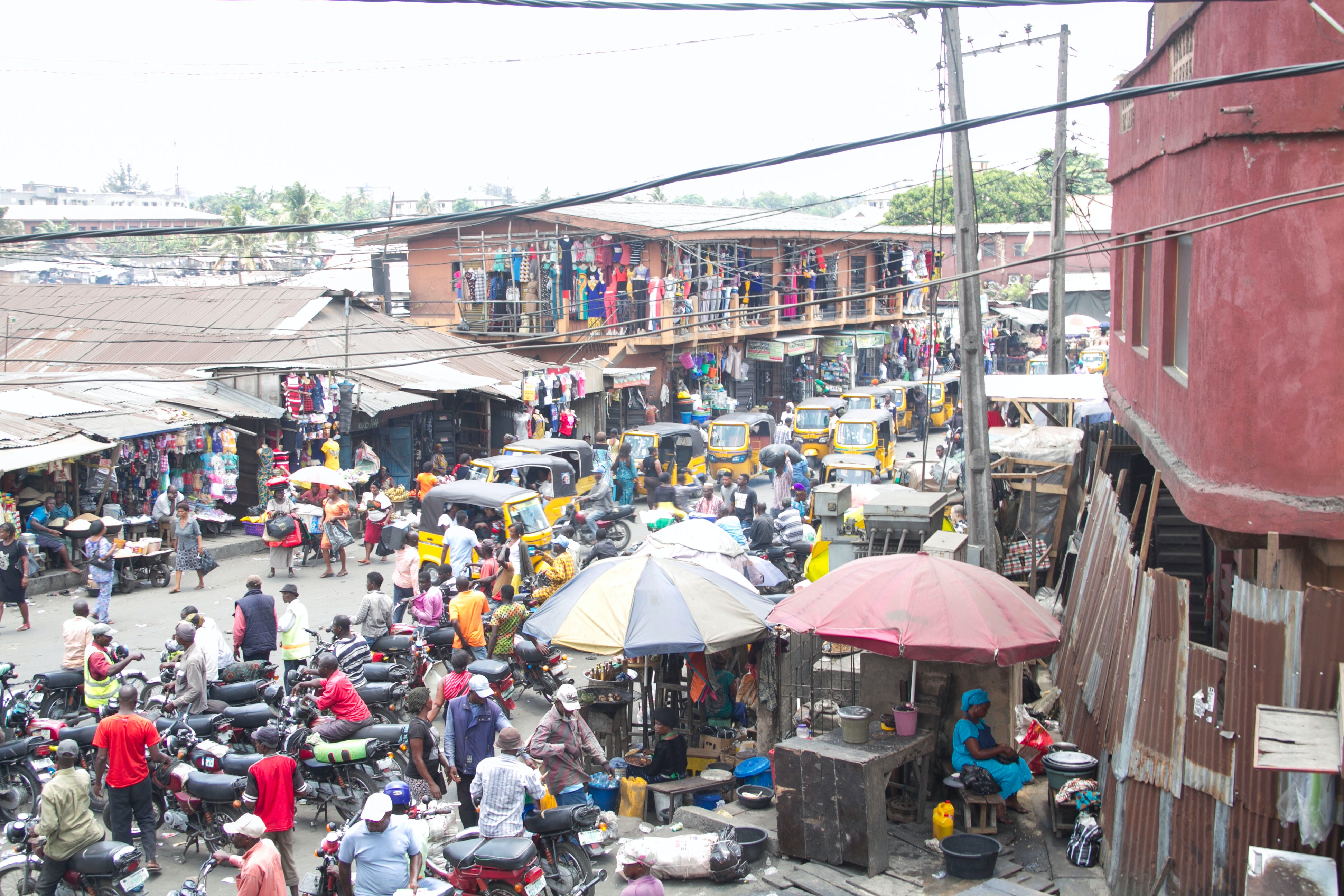
But much of African city life is not formally planned and managed. Informal settlements have become a way of life in many cities, with precarious livelihoods and people living in close proximity. Rates of poverty are high and development is uneven.
The COVID-19 pandemic has exposed the fragility of cities, particularly those in which the informal sector plays a large role. But there appears to be a big governance gap – there has been little or no involvement by informal non-state actors and traditional urban institutions in the containment of COVID-19 pandemic in Africa.
Our research looked at responses to COVID-19 in relation to urban governance principles. We grounded our study on Nigeria, the most populous country on the continent accounting for about 14% of Africa’s population. It is also the continent’s largest economy.
We conducted the research from the premise that though the pandemic poses a health risk, it should be treated as a social and political economy issue. This is particularly true in Africa given the challenge of the large informal nature of urban living.
We focused on informal urban governance, especially the informal economy and informal settlements in Nigeria. This is because our view is that the absence of formal governance in informal settlements does not equal a lack of governance. Often non-state organisations or residents-led initiatives respond to basic needs and set up a bottom up, networked governance system.
Our study concluded that urban governance that incorporates collective organisation, community groups, non-state and informal actors, offers scope in the battle against COVID-19 in Africa. In particular, the state needs to acknowledge the importance of the informal economy since it constitutes more than two-thirds of urban dwellers in Africa.
Informal economy and COVID-19 containment
The lockdowns to manage the spread of COVID-19 froze economic activity. This caused massive job losses and supply chain disruptions.
In the case of Nigeria, evidence shows that the vulnerability of millions of informal workers was heightened by government COVID-19 policies and protocols.
About 80% of Nigerians are daily earners. And a significant number of people who live in Nigerian urban areas are poor and live in slums that lack basic services. Communal living is the norm.
But the COVID-19 response failed to recognise this. This was evident in a number of ways.
One was the disproportionate use of force by security agencies to enforce COVID-19 protocols in urban areas. These included a ban on public gatherings, restriction of interstate travel, curfews, and social distancing provisions. Informal workers were particularly badly affected. There were numerous reports of their goods being confiscated, fines being imposed as well as physical violence and abuse from security forces.
Such high handed approaches to urban control negated the spirit of partnership of stakeholders in urban development.
Another example was the composition of the Presidential Task Force on COVID-19. Its main mandate was to coordinate and oversee efforts to contain the spread and mitigate the impact of the COVID-19 pandemic. But, as civil society groups pointed out, it wasn’t fully representative of key groups. These include traditional institutions, faith based groups, trade union and community representatives.
This meant that the task force lacked the diversity to deal with the socio cultural, communication and educational issues at community levels.
The inclusion of the various groups would have ensured much better coordination of anti-COVID measures. For example, they could have acted as the primary drivers of awareness and containment measures in their communities.
In spite of government’s proposed strengthening of the social safety net through an increase in the number of cash transfer beneficiaries and small loans, some of the urban poor, including waste pickers, were not captured by the schemes.
Some policy decisions of the government, such as enforcement of lockdown, restriction of interstate movement and closure of businesses, worsened the precarious circumstances of informal workers. For instance, in Abuja, street vendors were harassed, and in Lagos waste pickers were banned and moved from disposal sites.
While the government acknowledges that the Nigerian economy has a large informal workforce, it would seem that it is merely paying lip service to the informal sector in economic sustainability planning. Little attention is given to it in the Economic Recovery and Growth Plan, the report of the Economic Sustainability Committee and other initiatives of the Nigerian government.
What needs to be done
The pandemic catapulted non-state actors into prominent roles. This underscored the value of cooperation through collective organisation and collaboration of various groups.
It also points to why the pandemic in Nigeria needs to be seen more as a social and political economy issue rather than strictly a health challenge given the massive informal urbanism in Nigeria.
In addition, COVID-19 containment measures in Nigeria are mainly dictated both at the national and sub-national levels with little or no involvement of traditional urban governance institutions. There is a need to localise these measures by giving the power to impose them to the lowest levels of governance.


