Why nuclear energy should be part of Africa’s energy mix:
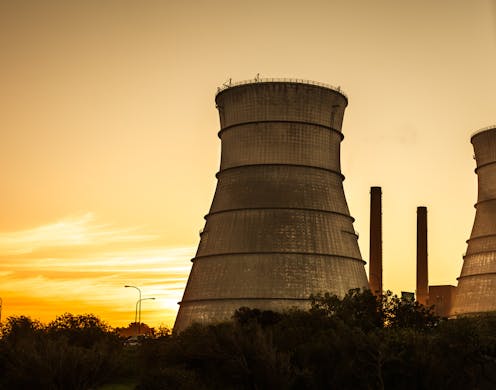
Africa has the least nuclear power of any continent in the world, with the exception of Australia where nuclear power is banned. All the largest economies in the world have nuclear power as part of their energy mix.
Over the past decade opposition to nuclear has been growing as concerns have risen about the environmental costs in terms of radiation risks and waste management, safety concerns, delays in the construction of nuclear power plants, and the high costs involved. The issue of public acceptance is also critical. But these concerns aren’t without solutions.
I believe there are three reasons why African countries should pursue the nuclear power option as part of their energy mix. The first is the continent’s dire energy crisis.
Secondly, Africa derives most of its energy from fossil fuels. These are finite and nonrenewable and dwindling in supply. They are also subject to price volatility.
Thirdly, nuclear energy can help countries meet targets under the Paris Agreement to reduce carbon emissions. Nuclear can help them reach that goal because carbon emissions linked to nuclear-powered energy are relatively small. In addition, supply is reliable and prices stable and predictable.
South Africa is the only African country that has nuclear power in its energy mix. Two nuclear reactors in Koeberg near Cape Town generate 5% of the country’s electricity. But a number of other African countries are currently pursing nuclear power. The list includes Algeria, Egypt, Ghana, Kenya, Libya, Morocco, Namibia, Niger, Nigeria, Senegal, Sudan, Tanzania, Tunisia, Uganda, Zambia and lately, Rwanda.
But African countries need to address concerns around nuclear energy. In particular, they need to allay the fear about possible nuclear accidents that continue to permeate the global atomic market.
There is research that governments can draw on that shows some of the concerns are neither peculiar to nuclear power, nor as appalling as they make them to appear.
The need for power
Energy supply on the continent is critically low. There are also the challenges of lack of access, poor reliability and high costs.
A rising population, growing middle class and growing urbanisation would mean more energy is needed for domestic and industrial purposes.
Energy is also critical to the socioeconomic well-being of the majority of poor Africans and Africa’s agenda for sustainable development. Nuclear energy has the potential to mitigate these burdens by contributing to the continent’s energy mix.
Developments so far
African countries currently considering nuclear power are all at different stages of policy and developing plans.
Many countries are opening up to nuclear energy industry from different parts of the world, including Asia, Europe, North America and Latin America.
A number of countries are already talking to the Russian energy company Rosatom which is currently the biggest nuclear power player on the continent. They include Algeria, Egypt, Namibia, Nigeria, Ghana, Kenya, Sudan, Tanzania, Uganda, Zambia and, lately, Rwanda.
South Africa came close to doing a deal with the company when Jacob Zuma was president. But the deal has gone cold since Cyril Ramaphosa took over the top job.
Egypt has progressed significantly in its nuclear power plans. A site at El Dabaa has been selected. In addition an agreement has been signed with Rosatom for the construction of a nuclear power plant, with a financing deal covering 80% of the cost.
One of the biggest challenges to developing nuclear on the continent is finance. There are two possible approaches to manage this. The first includes the usual approach in terms of partnerships between major nuclear energy producing countries and prospective nuclear users.
African countries can also aim for smaller nuclear reactors rather than the conventional (large) ones. To ease the burden of cost, constructing these smaller plants could be deployed in phases as is the case under conventional arrangements.
Another way to lessen the cost burden would be for countries to create nuclear energy partnerships. In addition, the energy plans under the Africa-European Union Energy Partnership, which seeks to promote energy access and security in Africa and the European Union, need to be reexamined. Currently, nuclear energy as a low carbon and partly renewable energy source is not part of the AEEP 2020 energy targets.
What next?
To advance nuclear power, governments need to show strong political will and put in place an enabling environment for nuclear-powered electricity. This would include coordinated action plans, proper safety regulations and strict adherence to international safety standards.
Both public and private resources and buy-in need to be mobilised. And public awareness about new and up-to-date developments in nuclear energy production needs to be mobilised.

Oluwole Olutola does not work for, consult, own shares in or receive funding from any company or organization that would benefit from this article, and has disclosed no relevant affiliations beyond their academic appointment.
Source: The Conversation – Articles (AFRICA)
Read more on The Conversation.
Join the fun: Add Your event | Submit a Press Release | Add your listing.


