Why older people in Uganda struggle to access healthcare:
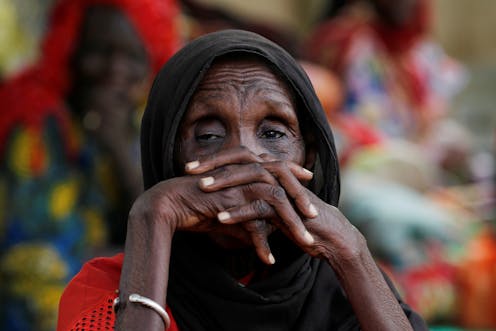
The World Health Organisation (WHO) recommends 50 years and above instead of 60 to define older people in sub Saharan Africa. This is primarily because of low life expectancy in the region. In addition, people aged 50 and older have health and functional limitations akin to those experienced by people 60 or above in developed countries.
There are about 46 million older people (5% of the population) in sub Saharan Africa, and this is expected to increase four-fold by 2050. In Uganda, the number of older people has increased from 1.1 million in 2002, to 1.3 million in 2010 and projected to 5.5 million by 2050.
Older people are more prone to detrimental health conditions such as hearing loss, disabilities, diabetes, depression and other health challenges. Limited access to health care for this vulnerable group is a growing concern in developing countries.
Few studies have addressed older peoples’ health needs in sub Saharan Africa. My study examined the challenges that older people in Uganda face when they seek health care. The findings suggest that poverty and physical disabilities are the leading reasons that older people don’t seek health care services.
Access to health care for older people
I analysed data from 2,382 older people in Uganda.
Accessing healthcare meant visiting public health facilities or private health facilities in the 30 days before the study. The factors that were significantly associated with access to health care were social and economic status, the severity of illness and how it affected people’s ability to work, the type of physical disability and the presence of non communicable diseases.
According to the findings, older persons who were younger, lived with other people and were married were more likely to seek treatment for an illness. Older persons’ access to healthcare was also higher among those who owned bicycle and earned regular wages to pay for treatment.
The unavailability of drugs for non communicable diseases, the lack of adequately trained staff to care for older people and poor equipment and services discouraged the respondents from going to hospital. Long queues, poor service by health workers and long distances to the hospitals also restricted their access to health care.
About a third of the respondents had a form of disability related to their hearing, sight or walking, or had impaired memory. Almost a quarter, 23%, had a lifestyle disease and more than half had ill health generally. The disability was associated with advanced age, rural residence, living alone and ill health.
Our findings suggest that older persons with conditions like high blood pressure and diabetes used health care more often than those without because chronic health conditions create a greater need for health care. These findings confirm an argument from a previous study done in the US. It found that people seek treatment in greater numbers for severe illnesses and life threatening conditions.
Breaking the barriers to healthcare
These findings are important for policymakers, programme implementers and researchers to improve the status of health care for older people.
The government should expand programmes such as the social assistance grants for empowerment (SAGE) aimed at reducing poverty among older people so that they can afford basic healthcare. This has been done in Kenya where older people receive special grants. The promotion of the extended family support system in cultures where it previously existed but had fallen away has encouraged more older people to seek medical help.
Uganda’s primary health care system should be strengthened to provide long term care to older people with chronic conditions such as diabetes, heart disease and hypertension. This has worked in rural South Africa. It is also important to train specialised cadres of healthcare workers to manage lifestyle diseases in Uganda’s healthcare system.
The establishment of community outreach interventions that provide home care services for disabled older people could also solve the challenges of access to the health facilities.

Stephen Ojiambo Wandera received funding from the Consortium for Advanced Research Training in Africa (CARTA; CB/CARTA/2011/10/1), the Germany Academic Exchange Service (DAAD; Grant number: A/12/94627) and the CARNEGIE Corporation of New York and Makerere University (Grant Number: B 8741.R01), for PhD studies. He is affiliated with Makerere University, Kampala, Uganda.
Source: The Conversation – Articles (AFRICA)
Read more on The Conversation.
Join the fun: Add Your event | Submit a Press Release | Add your listing.


