Why shared toilets in informal settlements may pose a serious health risk:
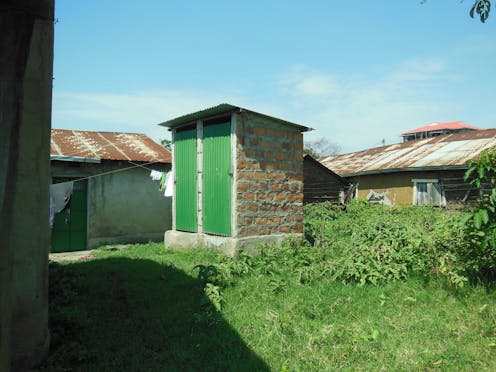
Informal settlements in developing countries are mostly characterised by poor housing, poverty and a lack of basic services. One of these services is sanitation.
Research shows that nearly a fifth of the population in sub-Saharan Africa share their sanitation facilities.
Sharing toilets allows residents who do not have toilets in their individual homes to access toilets. But when these shared toilets are poorly maintained and dirty, they end up posing a health risk rather than reducing the threat.
Very few studies have tried to understand why and how shared sanitation facilities in informal settlements are dirty. My study, which focused on the informal settlements in Kisumu, Kenya, tried to fill this gap.
I found that sanitation facilities in these settlements were shared by between five and ten households that lived in the same compound. These toilets were left unclean because a number of households didn’t want to take responsibility to clean a facility that was used by other people. Often times, ladies with children volunteered to clean the toilets because they didn’t want their children to fall sick. In other cases, people who understood the risks of dirty toilets also took the effort to keep the toilets clean.
Fixing this problem should be a priority. Proper and adequate toilets and sanitation facilities are key to preventing waterborne diseases like cholera and diarrhoea.
The health risks
Kisumu, the main city in the western region of Kenya, has more than 420 000 residents. About 60% of the city’s population lives in informal settlements. Most residents in the settlements are tenants who commonly live in compounds. A compound is a group of several tenant households, living in individual housing units which are all under one landlord. These housing units share a common yard and amenities such as water and sanitation facilities.
These inadequate toilets have several public health consequences. But this is not limited to Kisumu.
Studies and reviews across the world have shown that shared toilets are linked to poor health outcomes such as diarrhoea, helminth infections, enteric fevers, faecal-oral diseases and adverse maternal or birth outcomes. Lack of sanitation is also linked to infections and eye diseases such as trachoma.

Diseases such as diarrhoea and cholera are the most common – and could in some severe cases, even result in death. Research from 2012 for example, shows that more than 280 000 people died from diarrhoea as a result of inadequate sanitation.
In 2017, more than 4000 people were treated for cholera in Nairobi and at least two people died in the country. Poor access to proper sanitation was among the reasons listed for the spread of the disease.
Cleaning up
There are several ways in which sanitation can be improved. One is that the government takes the lead in ensuring access to clean sanitation facilities.
In our study we found that there were also mechanisms that communities could employ to improve the situation. We found that several compounds that had clean sanitation facilities were in this position because the toilets were shared by a smaller number of households.
In those compounds people were able to communicate and devise a cleaning schedule among themselves. These groups kept their toilets locked and they watched over each other to ensure that the toilets were kept clean.
There are other avenues for improvement. These include public health education campaigns which play a critical role in improving the sanitation standards in informal settlements. The public should be informed about the benefits of using toilets and keeping them clean.
Authorities should also improve sanitation in informal settlements by working with landlords and tenants to work out strategies to keep these facilities clean. These landlords and tenants should be proactively involved. Residents should be informed about the public health consequences of toilets that are not clean.

Sheillah Simiyu does not work for, consult, own shares in or receive funding from any company or organisation that would benefit from this article, and has disclosed no relevant affiliations beyond their academic appointment.
Source: The Conversation – Articles (AFRICA)
Read more on The Conversation.
Join the fun: Add Your event | Submit a Press Release | Add your listing.


