Workers in Tanzania’s noisy factories are at risk of hearing damage:
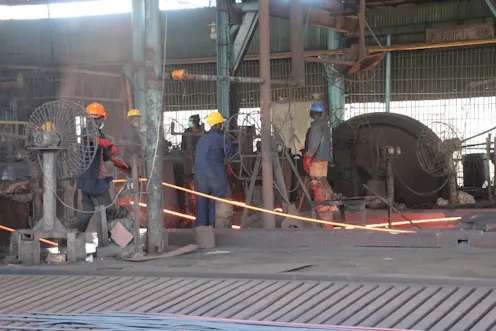
Excessive exposure to noise can cause permanent hearing loss. It’s estimated that a third of disabling hearing problems in the world are caused by excessive exposure to noise among adults who are older than 65. Some noise workplaces include mining, manufacturing, agriculture and construction sites.
The number of people with hearing loss in the world has increased over the past two decades, from 120 million people in 1995 to 466 million in 2018. Estimates of hearing loss caused by working in noisy environments are higher in low- and middle-income countries including sub-Saharan Africa than high-income countries. This may be due to ongoing economic investments in industrialisation as well as inadequate public health policies, lack of industrial regulation and limited resources spent on preventive measures.
Despite efforts such as engineering and administrative controls, and mandating the use of hearing protection devices at workplaces by governments and health and research organisations, this problem isn’t going away.
People who work in really noisy places such as construction sites, military sites, mines and factories are particularly at an increased risk of hearing damage or loss.
We conducted a study looking at workers in high noise environments in Tanzania. We wanted to determine if these workers knew the effect of working in noisy environments and if they had access to noise protection devices. We found that most of the workers didn’t have any protection against potential hearing loss and didn’t know that the negative effects of working in a noisy environment were irreversible. This sort of damage affects the inner part of the human ear and can’t be effectively treated with existing technology.
Hearing loss like this is preventable. Measures to control or reduce workplace noise exposure are critical to protect the health and safety of these workers.
What we found
We surveyed workers in large steel manufacturing factories in Dar es Salaam, Tanzania. We asked if they knew that exposure to high noise levels might cause hearing problems. Only 45% of participants did. And only 33% understood that this damage was permanent.
We were shocked to find that workers in iron and steel factories were exposed to an average noise level of 92 decibels. This level is higher than the national regulatory limit for noise exposure at work, which is 85 decibels. This is similar to standing next to an operating jackhammer without hearing protection or standing next to a landing aircraft without protection for your ears.
Additionally, 86% of the factory workers we studied had never been provided with nor used hearing protection devices. This was unexpected in such large and well-organised factories.
We believe the situation is probably the same in factories in other low and middle income countries. It’s also likely to be worse in small and unorganised workplaces in many other countries in the world, among them places like India.
Tackling the problem
Our research shows that many factory workers are exposed to hazardous noise levels and aren’t provided with hearing protection gear.
This situation calls for government and industry to promote and implement control measures in workplaces with high noise levels such as factories and construction sites.
Industry must provide workers with hearing protection devices. Government needs to ensure that operational safety guidelines are followed. And workers must learn about the dangers of noise exposure and received training on measure they can take to protect themselves.
This is important because deafness has biological, physical and psychological and economic effects on individuals, families and societies. With the right protection and care, hearing loss in the workplace can be avoided.

This work is part of the PhD project ‘occupational noise exposure and hearing loss among factory workers in Tanzania’ led by Professors Bente E. Moen and Magne Bråtveit from Univesity of Bergen, Norway with close collaboration with Dr. Alexander M. Tungu (co supervisor) from Muhimbili University of Health and Allied Sciences (MUHAS), Dar es Salaam, Tanzania. The project was financially supported by the Norwegian State Educational Loan Fund (Lånekassen) and equipment provided by the Norwegian Programme for Capacity Development in Higher Education and Research for Development (NORHED).
Source: The Conversation – Articles (AFRICA)
Read more on The Conversation.
Join the fun: Add Your event | Submit a Press Release | Add your listing.


