Marburg cases in Uganda: the lowdown about Ebola’s ‘sister’ virus:
Two people have died from Marburg virus in eastern Uganda. The Conversation Africa’s Health and Medicine Editor Candice Bailey spoke to The National Institute for Communicable Diseases’ Jacqueline Weyer about the virus and whether there was cause for concern.
What is the Marburg virus and why is it considered dangerous?
The Marburg virus is probably most easily introduced as the sister of the infamous Ebola virus. The viruses are similar in their genetic and structural makeup, they’re transmitted from human-to-human and their clinical presentation in humans is similar. But there are some marked differences. For example, apart from overlapping in two countries, they have been detected in different parts of the African continent. Marburg virus has been reported in sporadic outbreaks in eastern and southern Africa – including Uganda, Kenya, the Democratic Republic of Congo (DRC) and Angola. A case of Marburg virus disease in South Africa was traced back to potential exposure in Zimbabwe. For its part, Ebola has also been reported in the DRC and Uganda, as well as Sudan, Gabon, Guinea, Sierra Leone and Liberia.
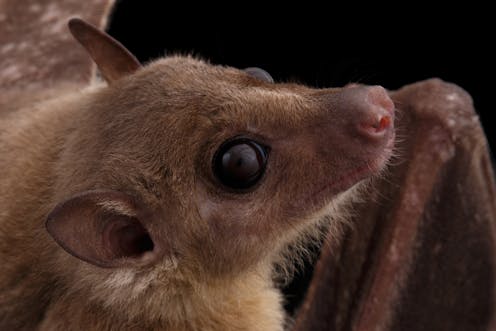
There are also differences in the natural ecology of the two viruses. Current evidence supports the hypothesis of circulation of Marburg virus in cave dwelling bats such as Rousettus aegyptiacus (or Egyptian fruit bat), while most believe that the Ebola virus are associated with forest dwelling bat species.
There have only been 12 known outbreaks of the Marburg virus in the 50 years following its discovery. It was first described following an outbreak of hemorrhagic fever in laboratorians that were handling monkeys exported from Uganda to Marburg, Germany in 1967. A total of 31 cases were reported in Germany which resulted in seven deaths.
Eight years later the virus reared its head again – this time in southern Africa. The case involved an Australian backpacker who travelled through Zimbabwe and was diagnosed with the Marburg in South Africa. The backpacker’s travel companion and a South African nurse were also affected.
In the following years, outbreaks of Marburg fever often involved a handful of cases, with a number of outbreaks only reporting a single case. This changed in 1998 when more than a 150 cases of Marburg fever were reported in the DRC. The biggest and most lethal outbreak of Marburg fever happened in Uige in Angola 2004-2005. More than 250 cases reported with a fatality rate of 90%.
In 2008 two cases of Marburg fever were reported in tourists who visited Python Cave in Uganda prior to falling ill in the US and the Netherlands.
How does one contract it and how can it be treated?
How the virus is transmitted to humans hasn’t been pinned down.
What is known is that cases from several outbreaks have been associated with caves or contact with certain bat species. But which type of contact constitutes exposure to the virus must still be conclusively determined.
Once the virus enters the human population, the virus spreads in ways that are similar to the Ebola virus. This includes direct contact with the excretions and secretions of a person affected by the virus. This means that close family contacts and care takers, and importantly health care workers, are at most risk for contracting the disease.
Should the world be worried about the possible rapid spread of the virus?
Any outbreak of viral hemorrhagic fever should be taken seriously. If the appropriate measures are not applied to contain the outbreak in good time, there’s always the risk that a larger outbreak may evolve. This was a lesson learnt from the West Africa Ebola outbreak.
Is there a concern about the fact that this is the second outbreak in three years?
Most of the outbreaks – although they haven’t been the biggest – have been reported from Uganda over the years. The discovery of Marburg virus in 1967 was traced back to Uganda, and a total of three additional outbreaks (not counting the current) have been reported from the country. Also, two tourist associated cases mentioned were also linked to exposure in Uganda. It isn’t possible to say at this point in time what lies behind this pattern. It may only relate to the ability to detect the outbreaks more swiftly.
What challenges does a country like Uganda have in dealing with the Marburg virus?
Uganda has a track record of dealing with Marburg and Ebola outbreaks. There are a number of encouraging signs in the way that the country is responding to this outbreak. These include the fact that diagnosis of the first reported case was rapid, that there is a swift response to trace contacts, that isolation capacity was established really quickly and that international support was sought to help contain the outbreak.
The affected area is in the Kween district of Uganda, about 300 kilometres northeast of Kampala. The area is remote and mountainous. This may mean that the outbreak will not spread easily. But it does mean that there are challenges in the logistics of outbreak support efforts.

Jacqueline Weyer does not work for, consult, own shares in or receive funding from any company or organization that would benefit from this article, and has disclosed no relevant affiliations beyond their academic appointment.
Source: The Conversation – Articles (AFRICA)
Read more on The Conversation.
Join the fun: Add Your event | Submit a Press Release | Add your listing.


