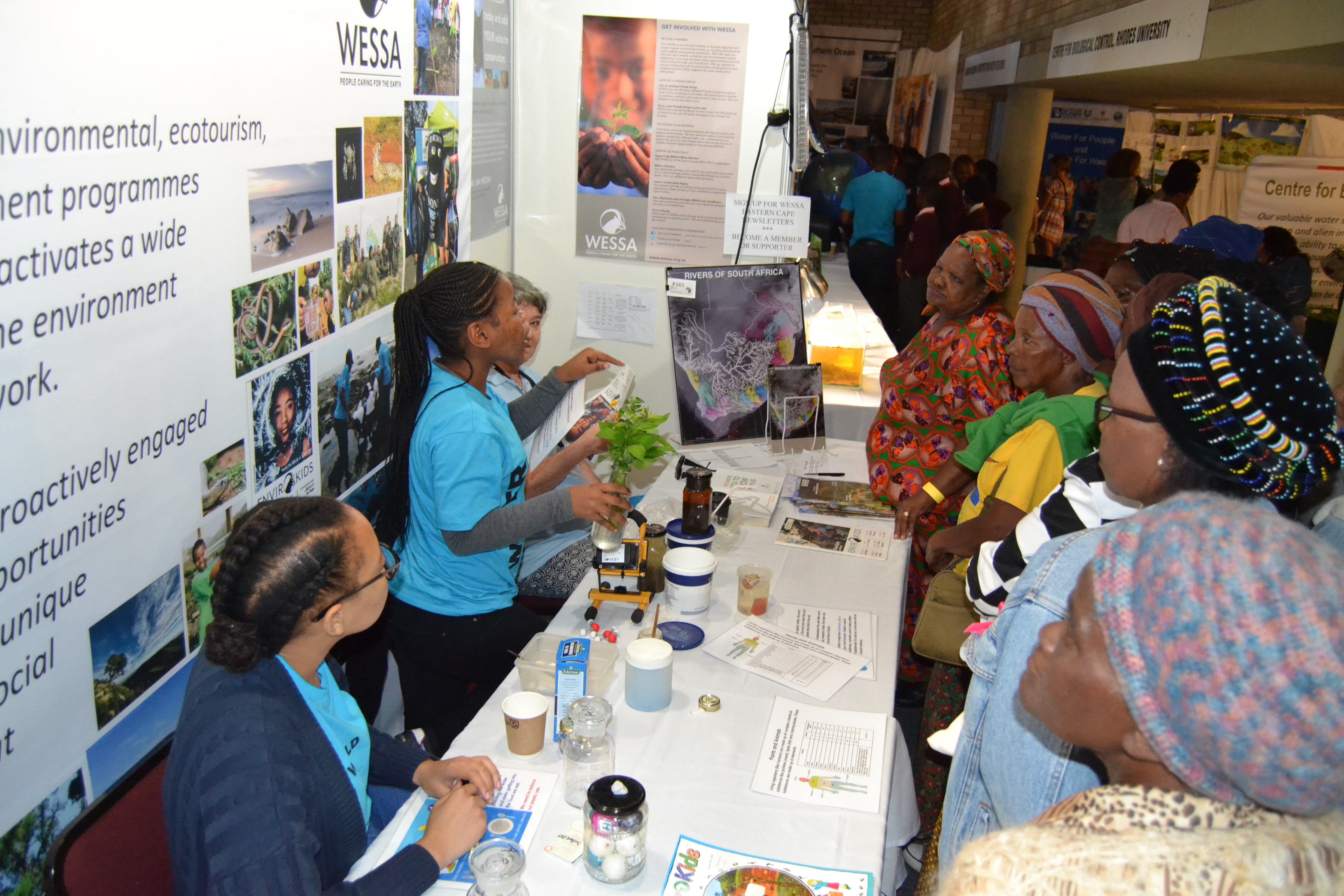
Science festivals across the world attract millions of visitors every year. They are typically busy, buzzing events: visitors stroll through interactive displays, enjoy science-themed shows and popular science talks and take part in hands-on workshops.
These events appeal to different groups of people for different reasons. For adults, they provide rare – and valued – opportunities to talk directly to scientists while learning in a leisure context. For students visiting with their schools, there is often a focus on science learning, inspiration and sometimes getting advice about science careers.
Science festivals form part of an expanding global range of events designed for public engagement with science. This science engagement format has been adopted in South Africa with support from pan-African and South African science policies.
But what is the appeal for the scientists whose participation is key to festivals’ success? Some studies have examined scientists’ willingness to engage with public audiences, but this research was done almost exclusively in the developed world. For example, one study found that scientists who participated in the Madrid Science Fair wanted to improve public interest in and appreciation of science. They also hoped to promote a general culture of science in society. A Swedish study, meanwhile, found that scientists participated in science festivals primarily for personal reasons such as improving their communication skills.
We wanted to understand what motivates scientists in South Africa to participate in science festivals – or deters them. This is important for two reasons. First, because science communication of the sort that happens at these festivals benefits society by bridging the gap between scientists and non-experts. It brings science to people and demonstrates how science can be a positive force for change.
Read more: Scientists have much to gain by sharing their research with the public
Second, scientists usually participate at festivals as volunteers and have to invest significant time in preparing and contributing. It is vital to understand the factors that encourage or deter scientists’ participation, as well as the perceived benefits and risks that may affect their future involvement. That’s what our new study, the first of its kind to explore the participation of scientists in an African science festival, set out to do.
We found, among other things, that scientists enjoyed informing, exciting and inspiring the public. They also recognised the value of being role models, getting school children and students interested in science. Some of the barriers they identified included time constraints and a lack of institutional support and recognition for public engagement.
Driving factors
Our study focused on Scifest Africa, which has been held annually in South Africa since 1996. In 2020, it moved online, as did many other science festivals around the world, because of the COVID-19 pandemic.
Forty scientists who participated in the festival in 2019 took part in an online survey.
One key finding was that scientists are mainly motivated by the objectives of informing, exciting and inspiring the public. As one respondent said:
Normally, the public does not know the science that we do. Scifest Africa is a good platform to make your science known to the public.
Scientists also said they were driven by a sense of duty, given that they work with public funding. A respondent suggested that since “research is paid using taxpayers’ money, the public has a right to know how their money is being used”.
Another finding was that South Africa’s apartheid legacy inspires a strong moral obligation among scientists to give something back to society. One of the respondents told us:
Today, science communication can also be done by black people, e.g., we can be the ones who are explaining, teaching and demonstrating science to white people.
Black women scientists in particular identified being role models as a key motivating factor for taking part in the festivals. A respondent suggested that “many black girls are afraid of studying science because they think it’s too difficult”, and that her engagement as a role model may help.
Other motivating factors included improving their own communication skills and finding it rewarding to engage with the public.
Barriers
When it came to barriers or deterrents, many respondents mentioned time constraints. Others were concerned that their institutions neither recognised nor supported public engagement work. A respondent said:
It is time-consuming and demanding to man an exhibition, but we are not paid for this and no one accounts for the productive time lost.
Some respondents complained that institutions didn’t generally provide training opportunities to equip scientists with effective public dialogue skills.
Our findings offer practical insights to help festival funders and organisers to sustain and expand scientists’ participation.
They highlight the need for universities, research institutions and other science engagement entities to build expertise and provide continuous support to improve scientists’ participation.


