Why it’s dangerous for Tanzania to withhold information about Ebola fears:
In the past few weeks there have been unofficial reports that some people in Tanzania, including one in Dar es Salaam, had died of what was suspected to be Ebola virus disease. As we know, there is an ongoing outbreak in eastern Democratic Republic of Congo (DRC) in which thousands have died.
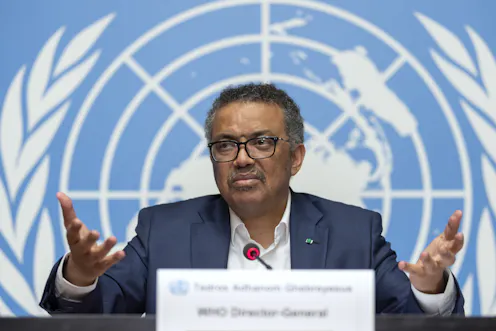
The World Health Organisation (WHO) has criticised Tanzania for failing to provide details about suspected cases of Ebola in the country. While Tanzania insisted it had no confirmed or suspected cases of Ebola, it did not directly address the case of the woman mentioned by the WHO and provided no further information.
The reports are a cause for concern because they followed earlier cross-border Ebola cases and fatalities in neighbouring Uganda which were clearly linked to the DRC outbreak. The ongoing concern is that the disease might spread in the region, and potentially even globally.
The DRC outbreak was declared a global public health emergency in July and regional countries were advised to proactively monitor the situation and report any suspected cases of Ebola.
The cases in Tanzania, if confirmed, are also highly likely to be related to the ongoing outbreak in the DRC.
What is different and a departure from international norms in Tanzania’s case is the lack of transparency, and information sharing. No clinical data, investigation results, contact tracing and laboratory tests performed have been shared by the government.
Why the government has taken this route is unclear and some observers are alleging a cover-up in which for whatever reason, the authorities in Tanzania seem deliberate about not providing the information that have been requested for by WHO. Fear and concerns among international travellers are spreading fast.
One possible explanation might be that the government is reluctant to give out details for fear of alarming the public and the international community. Providing information could spread panic while also affecting international travel, tourism and business.
The problem with this thinking is that it means missing the opportunity to contain the outbreak before more people are exposed. When this happens, a much better response is needed. And panic, as well as travel and business disruptions, may end up being even greater.
Why information matters
The importance of sharing information cannot be over-estimated. Ebola can spread at a phenomenal speed – as was shown in the 2014-2016 outbreak in West Africa. The only way to ensure this doesn’t happen is to provide information to the public, stakeholders, put service providers on high alert, provide necessary suppliers, and ensure a functional laboratory capacity is in place. Those who have come in contact with people who have contracted the virus need to be isolated while the infected need supportive care.
Getting all stakeholders on board lessens the burden of containing an outbreak. For example, in Ebola outbreak situations we have seen before, the WHO is often willing and ready to provide technical capacity where these are lacking. These include personnel, laboratory and supplies. No such requests have been made in this case.
The WHO provides extensive guidance on a range of issues. These include definitions of suspected Ebola virus disease cases, setting up surveillance systems, contact tracing, infection prevention among health care providers and handling deaths. Under the International Health Regulations, Ebola is classified as a notifiable disease. This means that countries are obligated to report suspected and confirmed Ebola cases.
The first action on any suspected case of Ebola is to isolate the person and to provide supportive treatment. At this stage, samples are taken to a reference laboratory for testing. The next step is to trace all the people with whom the person had contact with and to try and establish whether they are showing symptoms or not.
Most of the outbreaks that have caused lots of infections and deaths have been as a result of a poor response in identifying and isolated early cases. For example in Guinea it took about three months to establish Ebola as the cause of the epidemic. This usually happens where health systems are weak, as was the case with the west Africa outbreak and in the DRC. Insecurity is an additional layer to the challenges of containing the outbreak in the DRC.
The Ebola virus is transmitted through body fluids. Risk of exposure is high in particular settings. These include health facilities such as laboratories, during burial rituals involving the washing of corpses, and other intimate acts such having sex with an infected person. The web or network of exposed people can grow quickly from one case if steps aren’t taken early on to avoid further onward transmission.
Research has shown that the number of new cases generated from a single case in the absence of control measures can be as high as two. Given the relatively short incubation period of two to 21 days, several new cases can develop and a full blown outbreak may manifest.
Next steps
In the event that Ebola cases are confirmed in Tanzania, the logical thing to do is to act fast to stem further spread. Isolation of infected people and their contacts is critical.
New vaccines are being tried in the DRC and Uganda especially among front line health workers who are more likely exposed to virus through attending to patients. This could also be considered to protect those at the highest risk of exposure.
The WHO and other UN agencies discourage countries from imposing travel bans. The WHO argues that travel bans are detrimental and ineffective in the control of Ebola outbreaks. Nevertheless, there is usually nervousness among potential travellers which ultimately affects businesses and normal life.

Abdhalah Ziraba does not work for, consult, own shares in or receive funding from any company or organization that would benefit from this article, and has disclosed no relevant affiliations beyond their academic appointment.
Source: The Conversation – Articles (AFRICA)
Read more on The Conversation.
Join the fun: Add Your event | Submit a Press Release | Add your listing.


