Climate change is a global issue, but it disproportionately affects developing countries like Nigeria. Part of the response needs to be on a large political and institutional scale, based on science. But studies have shown that the daily behaviour of individuals also makes a difference to the rate of climate change. Some of these include going car-free, taking public transit or using bicycles more regularly, using energy wisely, recycling, consuming climate-friendly diets (like eating less meat) and wasting less.
It has therefore been suggested that religion might play a role in tackling climate change. This is because faith communities can construct moral frameworks that encourage people to protect the environment. The leaders of these faith communities can shape the environmental worldviews and behaviour of their congregations.
With a population of over 170 million – both Christians and Muslims, congregating under their tutelage on weekly basis, religious leaders wield a lot of influence in Nigeria. Evidence abounds of some sociopolitical and economic interventions by these leaders that proved productive in the country. For instance, these leaders have intervened or expressed views on issues concerning good governance, gender equality, education, health and terrorism in Nigeria.
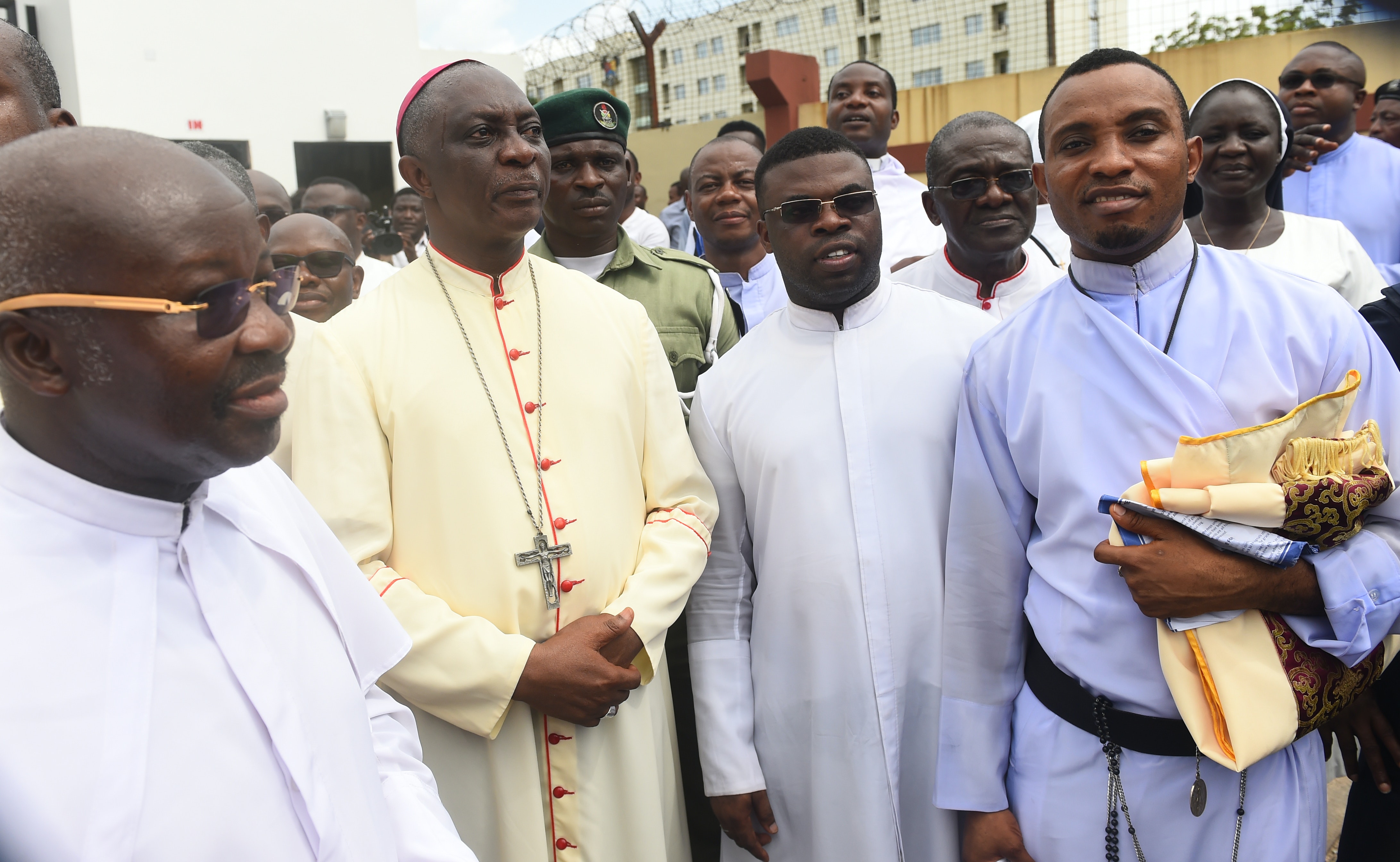
In my study among Catholic, Anglican and Pentecostal leaders in Nigeria, however, I found that these Christian leaders don’t know much about climate change. I also found that generally they haven’t taken much action on the issue. This may affect the level of climate change knowledge and concern among their congregations. Providing these leaders with relevant information on climate change would not only boost their knowledge and commitment to climate change mitigation and adaptation in Nigeria, but that of their followers as well.
Awareness and action
I interviewed 30 church leaders drawn from the selected denominations and from five geopolitical zones in Nigeria. All said they had heard of climate change. But their perceptions of the causes of the phenomenon varied along religious denominational lines. More Catholic leaders than others said they believed climate change was caused by human activities. The participants said churches could play a role by creating awareness, by providing charity for disaster victims, and through prayer.
Very few reported that they had engaged in some sort of environmental awareness creation among their congregations or groups. Where they had taken action such as planting trees, it wasn’t to address climate change but rather for aesthetic and consumption purposes.
Nigeria faces challenges like youth unemployment, poverty, migration, human rights abuses, infrastructural decay, political corruption, insecurity and conflicts. This could partly explain why Christian leaders don’t see climate change as a priority yet. One Catholic leader, for example, has reportedly spoken of migration as a more pressing issue in Nigeria. But climate change is related to these other issues and can make them worse.
Migration and conflicts, for instance, can be driven by climate change. Religious beliefs could be one reason for religious leaders’ poor level of climate change knowledge and action, as I found in another study with the same participants.
The influence of religious beliefs
I found that some religious beliefs and values actually influenced climate change perceptions among Christian leaders in Nigeria. These included beliefs about end-time, dominion, theological fatalism and pessimism. I also found that denominational affiliation and theology mattered with respect to the influence of some of these religious beliefs. Nevertheless, some of these beliefs serve as barriers to action on the part of the church.
For instance, people who hold end-time beliefs see climate change and its impacts as a sign or fulfilment of end-time prophecies. Instead of trying to slow climate change, they prefer to prepare spiritually for the second coming of Christ. In my study, Anglican and Pentecostal participants expressed the end-time beliefs more than Catholics in their interpretation of climate change.
The way forward
Despite their limited knowledge and action on climate change, the leaders I interviewed did feel they had a role through awareness, charity and prayer. They said they could use their credibility to create awareness about the environment.
A recent Afrobarometer report shows that in Nigeria, like other African countries, the majority do not only identify with a religious faith, but are also more likely to contact religious leaders than public officials on socio-political issues. This is because religious leaders are more trusted and less widely seen as corrupt than any other group of public leaders.
The government, nonprofit organisations and others like the Christian Association of Nigeria, the Pentecostal Fellowship of Nigeria, and the Catholic Bishops Conference of Nigeria should therefore provide religious leaders with relevant climate change information and training.
To overcome the barrier created by some religious beliefs, communication about climate change needs to be framed around common Christian values like love and charity. This is especially apt because of the disproportionate impact climate change has on poor and vulnerable communities.


